Beauhurst · 2023
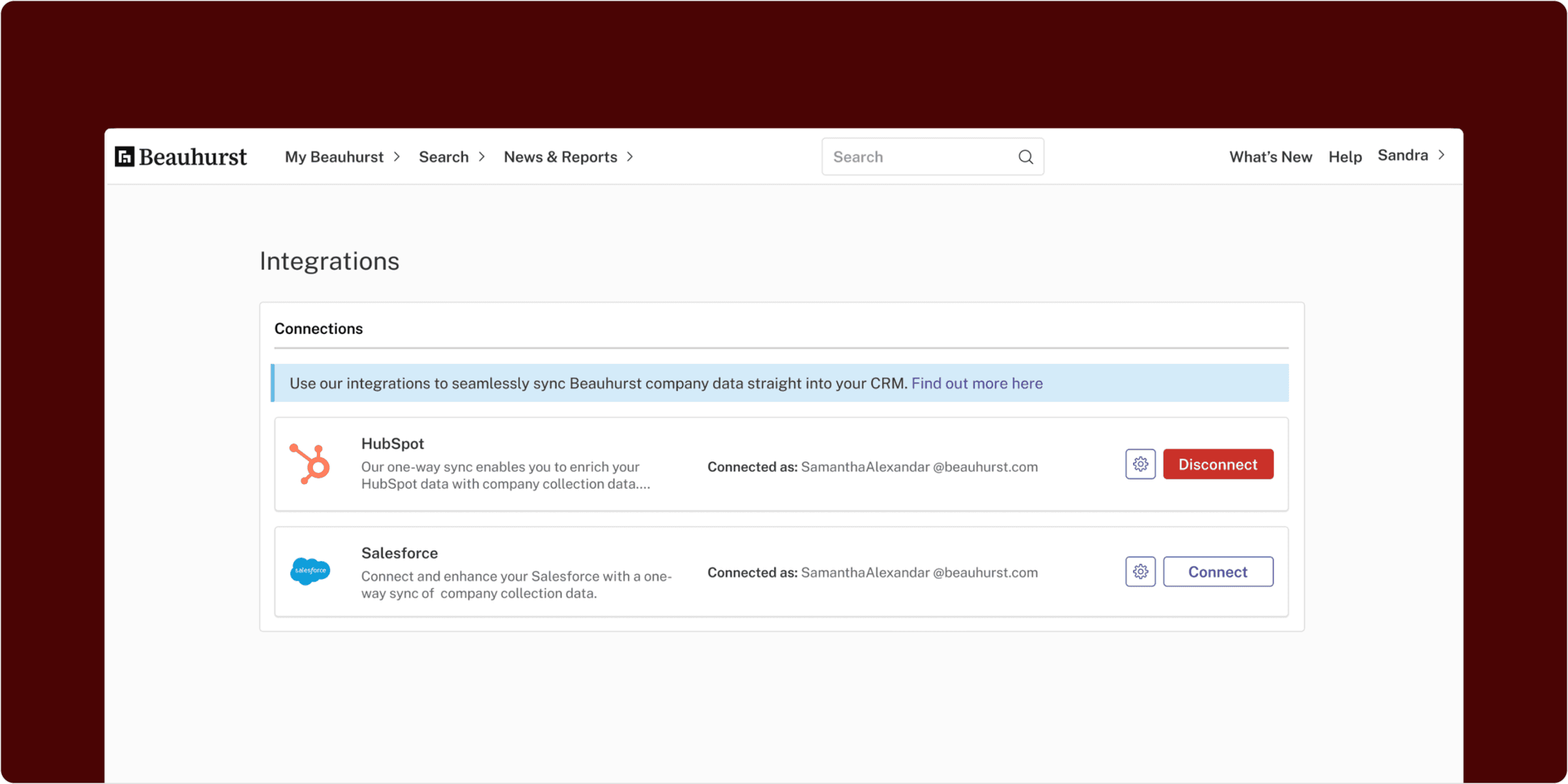
Beauhurst customers kept their CRMs up to date, manually, exporting a CSV and cleaning it in Excel, which took some of them up to three days. I designed the company's first native integration. The goal was 50 active clients by mid 2024. We reached 73.
Role
Product Designer
Platform
Web
Team
One designer (me), engineering team, product lead
Tools
Figma, Condens, Maze, HubSpot API
73
clients adopted
46%
above target
45
also using the API
Overview
Beauhurst is a SaaS platform with data on millions of high growth UK companies, used for company searches, due diligence and financial analysis. The problem account managers kept hearing was that getting that data into the tools clients actually worked in was painful. I led product strategy and design for the company's first native CRM integration, built for HubSpot and architected to scale to other CRMs like Salesforce.
The problem
Beauhurst's data was hard to get into the tools clients actually worked in. The API only suited larger clients with developers, so most people exported a CSV and cleaned it up in Excel before uploading it to their CRM. For some clients that round trip took up to three days, and the data was stale the moment a company record changed. They wanted Beauhurst data living inside their CRM and kept fresh on its own.
Goals
- 01Give clients an out of the box way to get Beauhurst data into the CRM they already use.
- 02Keep that data fresh automatically, so it stops going stale the moment a record changes.
- 03Design it to scale cleanly to other CRMs without redesigning from scratch.
What the research told me
7
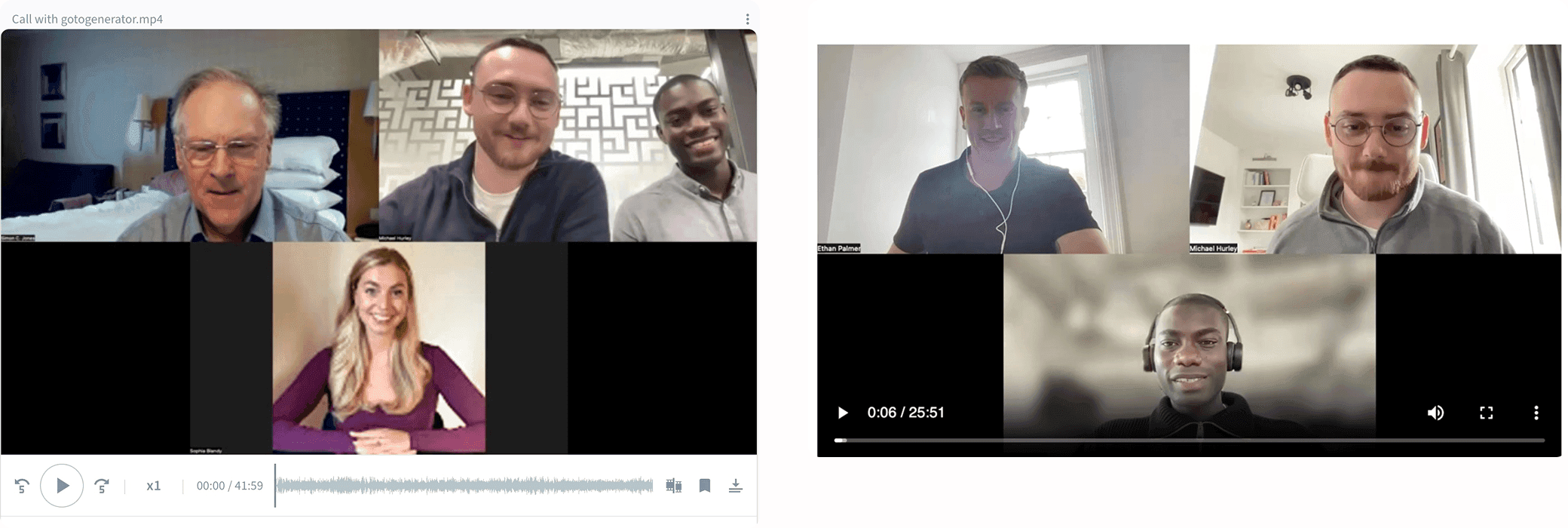
client interviews coded in Condens. HubSpot came up in every single one, so we focused there rather than trying to support everything at once.
Two roles emerged: admins who live in the platform daily, and managers who set it up once and step back. The flows had to serve both.
People did not want to hand pick fields. They wanted all of it, created for them automatically, so we dropped the field by field checkboxes.
Key decisions
Found out which tools actually mattered
I interviewed seven clients and coded the transcripts in Condens. HubSpot came up in every single interview, so that is where we focused rather than trying to support everything at once. Two roles emerged: admins who live in the platform day to day, and managers who set the process up once and step back. The flows had to serve both.
Synced collections, not companies
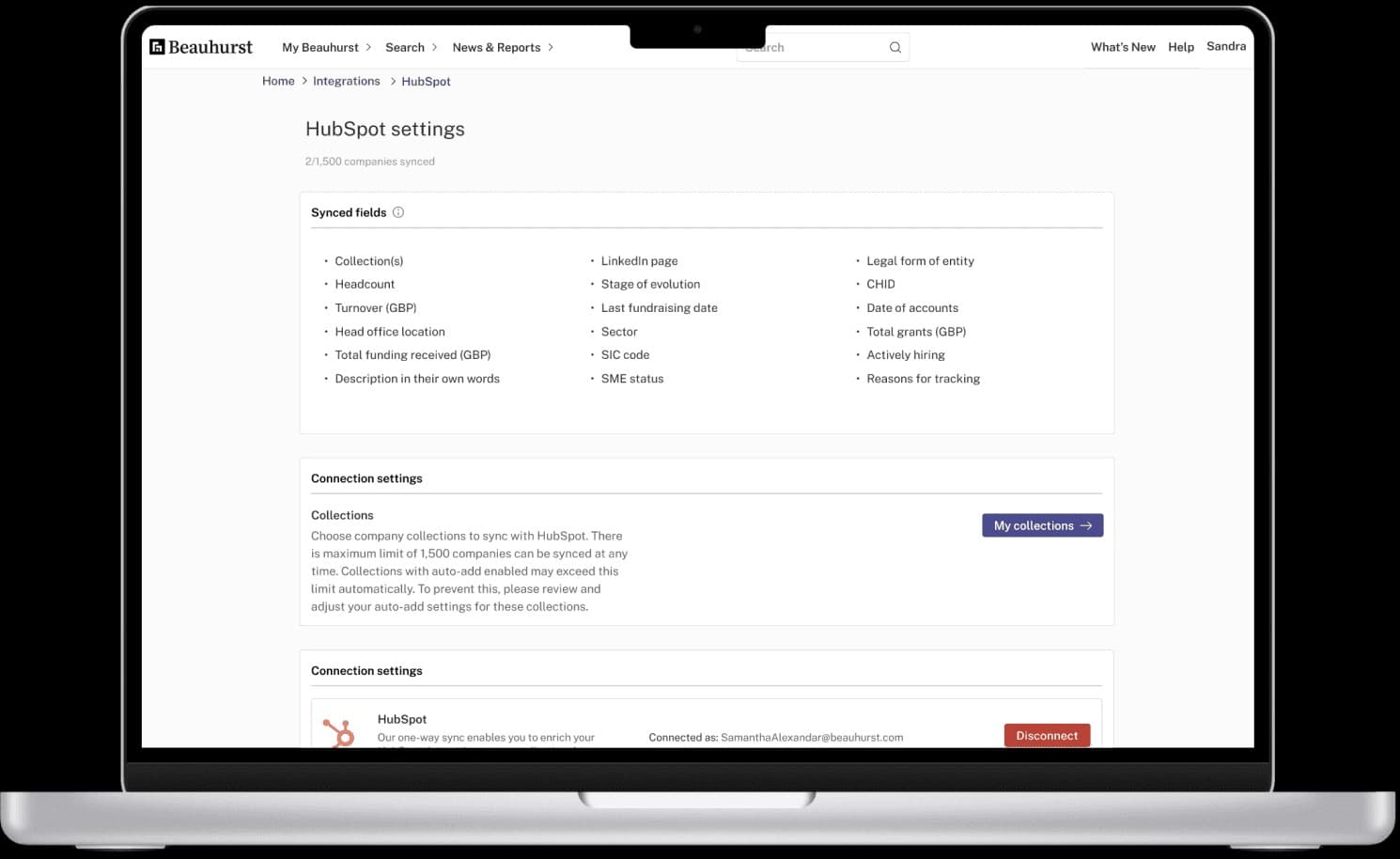
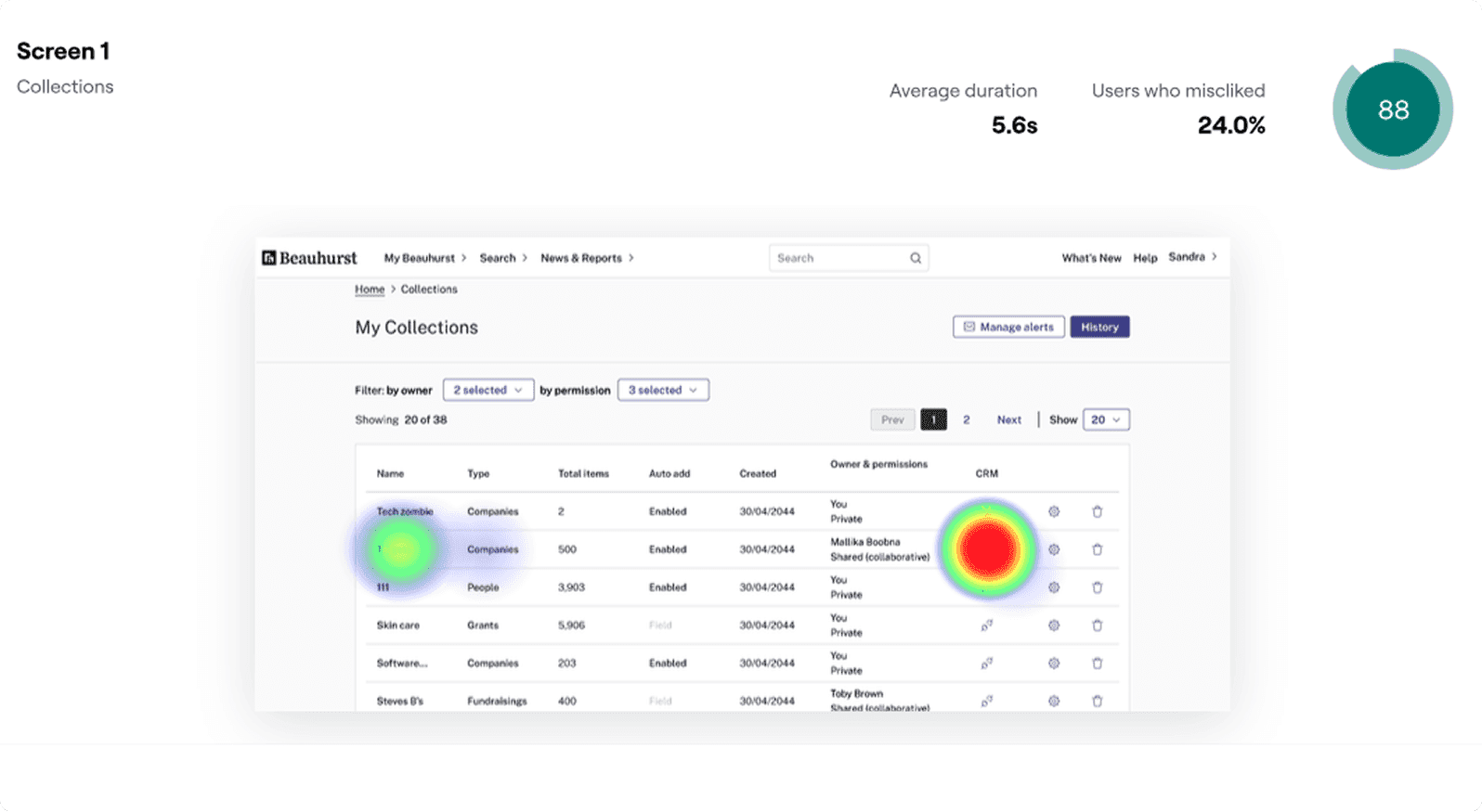
In Beauhurst, a Collection is a bucket of companies you are interested in and want to track, saved in one place. We first planned to sync individual companies, but at scale that would have overloaded the platform, so I moved the sync to operate on Collections instead. It scaled cleanly and gave people a clearer mental model: the Collection is the thing that syncs. I also moved the sync controls out of buried settings and into the Collections area, where people already expected them to live.
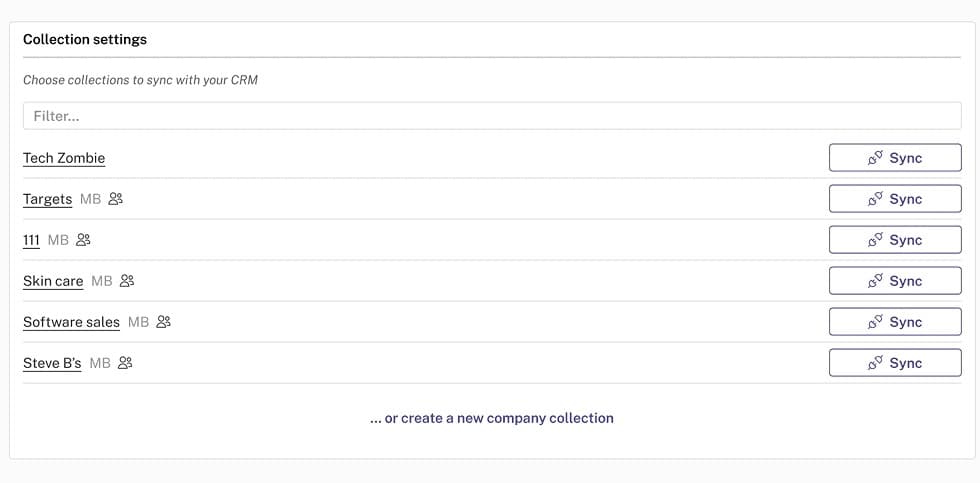
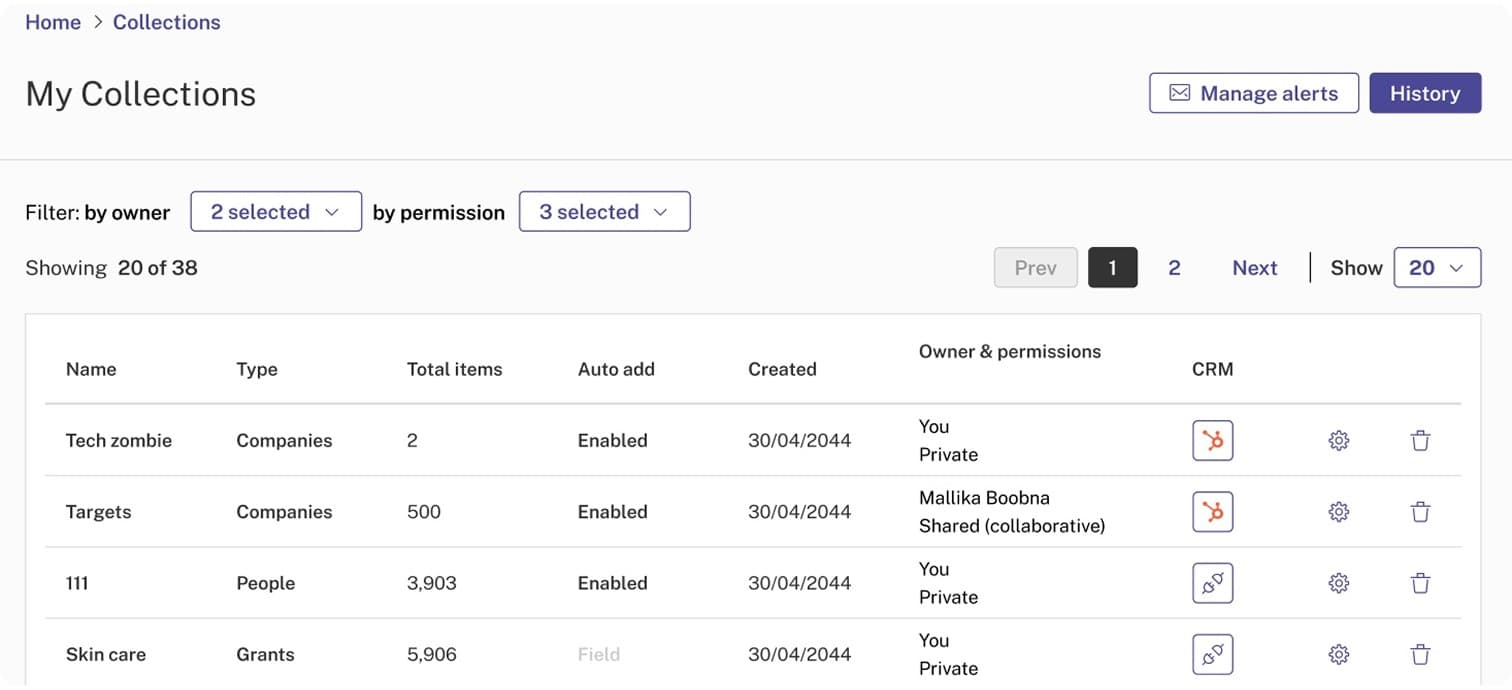
I moved sync out of buried settings and into the Collections area, so the Collection itself is the thing you sync.
Removed the busywork
Testing showed people did not want to hand pick fields, they wanted all of it. So on first sync we create the Beauhurst fields in HubSpot automatically and drop the field by field checkboxes. We accepted one trade: companies added to a synced Collection appear in the CRM the next day, not instantly, because immediate sync would exceed platform load. Once that was stated clearly in the UI, nobody in testing minded.
Worked end to end with engineering
I journey mapped the touchpoints, prototyped from low to high fidelity in Figma, and tested with 20 internal and external users through Maze. Then I wrote the specs, ran the backlog in Notion, and reviewed pull requests on GitHub with the team so the build matched the intent.
The outcome
The target was 50 active clients by June 2024. We reached 73, with 45 of them also using the API, and clients described the integration as easy and straightforward. The collections and sync patterns became a reference other Beauhurst features reused.
What I would do differently
Designing for someone else's platform means letting go of some control. Consistency is not visual sameness, it is fitting the host's mental model. And a lot of the work here was doing less, not more: fewer fields, fewer settings, fewer decisions left to the user.